Eco-Friendly Moving: 10 Ways to Reduce Waste on Moving Day
Ten practical ways to cut moving-day waste, from reusable totes to using your own linens as padding. No guilt trips, just things that actually work.
Key Takeaways
- The average move generates 60 to 70 cardboard boxes worth of waste. Most get used once and trashed.
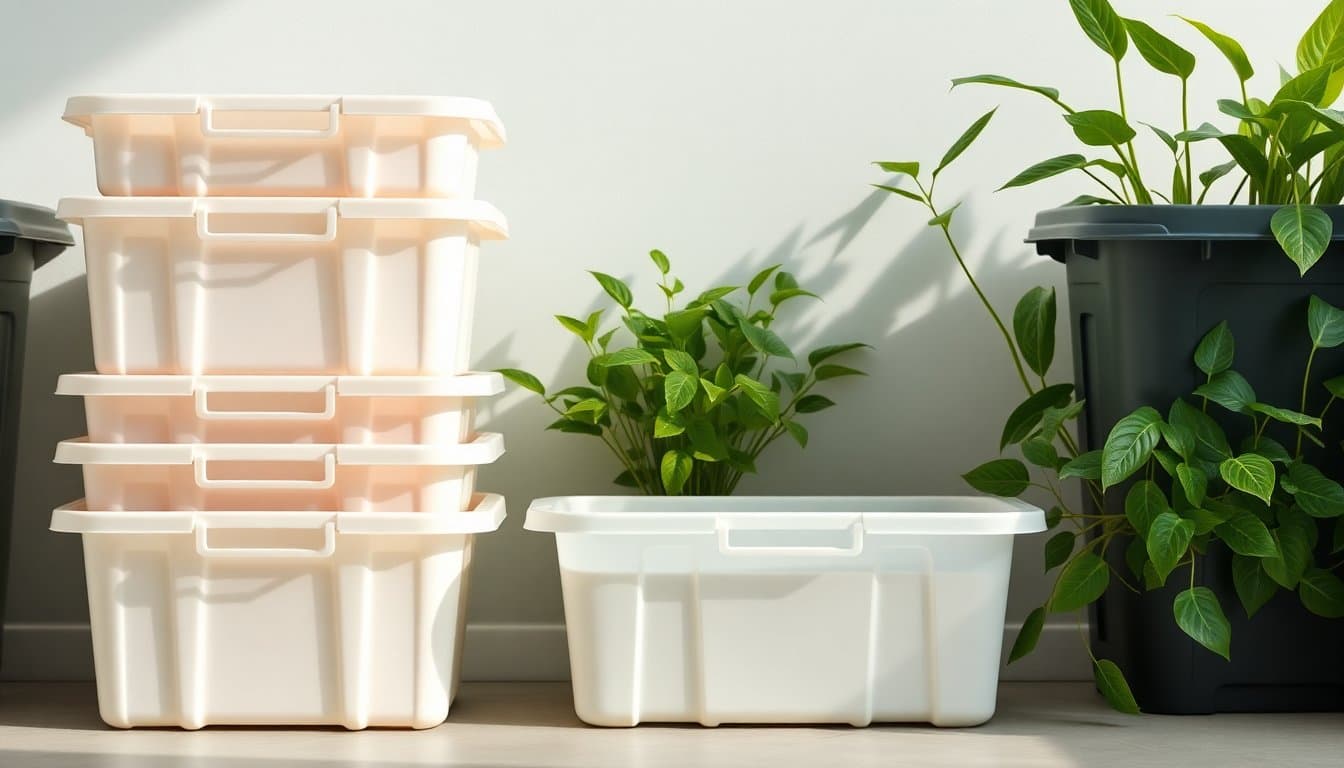
- Swapping cardboard for reusable totes is the single highest-impact change. One tote replaces 400+ single-use boxes over its lifetime.
- You already own great padding material. Towels, t-shirts, and blankets replace bubble wrap for most items.
- Donating beats trashing. Buy Nothing groups, Goodwill, and Habitat ReStores take most household items.
- You don't have to be perfectly zero-waste. Even two or three swaps eliminate the majority of moving-day waste.
A typical household move produces hundreds of pounds of single-use materials. Cardboard boxes, bubble wrap, packing peanuts, plastic stretch wrap. Most of it gets used once and either recycled (best case) or landfilled (more common than you'd think). Here are ten ways to cut that waste without making your move harder.
Can one swap really make a big difference?
Yes. Switching from cardboard to reusable plastic totes is the single biggest waste-reduction change you can make, eliminating dozens of single-use boxes per move.
Yes. Reusable plastic moving totes are the single biggest waste reduction you can make. They replace cardboard entirely. They're sturdier, stackable, weatherproof, and they get reused hundreds of times before being recycled at end of life.
When you rent totes from FlashTotes, they're delivered clean and picked up after your move. Nothing goes to a landfill. If you only make one eco-friendly change to your move, make it this one.
What should you do with stuff you're not moving?
Donate to shelters and Buy Nothing groups, sell higher-value items on Marketplace, and recycle what cannot be donated. Avoid filling trash bags when better options exist.
Moving is a natural decluttering moment. But "decluttering" doesn't have to mean filling trash bags. Separate items into categories:
Donate: Clothing, kitchenware, furniture, books, and working electronics. Local shelters, Goodwill, Habitat for Humanity ReStores, and Buy Nothing groups all accept gently used items.
Sell: Higher-value items go on Facebook Marketplace, Craigslist, or OfferUp. Furniture, appliances, and electronics tend to move fast.
Recycle: Anything that can't be donated or sold should be recycled properly. Check earth911.org for local options if you're not sure what's accepted.
A good rule: if you haven't used it in the past year, someone else probably will.
Can you skip buying bubble wrap entirely?
Mostly, yes. Towels, t-shirts, blankets, and socks make excellent padding for dishes, electronics, and fragile items, doing double duty as both packing material and belongings.
Mostly, yes. You already own excellent padding material.
Wrap dishes in dish towels. Cushion fragile items with t-shirts and socks. Pad electronics with bath towels and blankets. Stuff gaps in totes with scarves, washcloths, and pillowcases.
Your soft goods do double duty this way: they get moved AND they protect everything else. That eliminates the need for single-use padding almost entirely.
Is there a better way to track your inventory?
Use your phone to photograph each tote's contents and keep a numbered digital list in a note-taking app. It is searchable, shareable, and generates zero paper waste.
Skip the sticky labels and paper inventory sheets. Your phone does it better.
Take photos of each tote's contents before you seal it. Use a note-taking app to number your totes and list what's inside. Share the digital inventory with anyone helping you unpack so they know where things go.
No paper waste. The inventory is searchable, shareable, and impossible to lose under a stack of boxes.
Does hiring local movers help the environment?
Yes, local movers use less fuel for shorter commutes, keep money in the local economy, and some now operate fuel-efficient or hybrid trucks.
It does. Local movers have shorter commutes to your home, use less fuel for the round trip, and keep your money in the local economy. National chains often dispatch trucks from distant hubs, which adds unnecessary mileage.
When comparing quotes, ask about their fleet. Some companies now use fuel-efficient or hybrid trucks. It's worth asking even if only to signal that customers care.
How do you reduce the number of trips?
Pack totes tightly with no empty space, disassemble furniture to make it compact, and rent the right-size truck so everything fits in a single load.
Fewer trips between old and new home means less fuel burned.
Pack totes tightly and fill every gap so you're maximizing the load per trip. Disassemble furniture to make it compact and stackable. Use your car efficiently by filling the trunk and back seat on every run. If you're renting a truck, pick the right size so everything fits in one load.
This isn't just environmental. It's practical. Fewer trips means you finish faster.
What do you do with packing materials you can't avoid?
Flatten and recycle cardboard, drop bubble wrap at UPS stores for reuse, and offer leftover materials on Buy Nothing or Freecycle groups.
Some materials are hard to skip entirely. When you do use them, handle disposal responsibly.
Cardboard: Flatten and recycle through curbside pickup or a local recycling center. Packing paper: Recyclable with regular paper. Bubble wrap and air pillows: Many UPS locations and shipping stores accept these for reuse. Styrofoam: Not curbside recyclable in most areas, but specialty recyclers exist. Check earth911.org.
Better yet, offer used materials on your local Buy Nothing or Freecycle group. Someone planning a move will gladly take them off your hands.
What about cleaning both homes?
Use biodegradable, non-toxic products in recyclable packaging, or clean with pantry staples like white vinegar, baking soda, and lemon juice.
You'll clean the old place before handing over keys and the new place before settling in. Choose biodegradable, non-toxic products sold in recyclable packaging. Seventh Generation, Method, and Dr. Bronner's are widely available.
You can also handle it with pantry staples: white vinegar and water for glass and countertops, baking soda paste for scrubbing sinks and tubs, lemon juice for cutting grease.
How do you handle leftover food?
Plan meals around what is already in the fridge and pantry for two weeks before the move, donate unopened non-perishables to a food bank, and compost anything that has gone bad.
Food waste is one of the most overlooked sources of moving-day trash.
In the two weeks before your move, plan meals around what's already in the fridge, freezer, and pantry. Give away unopened non-perishable food to neighbors, coworkers, or a food bank. Compost anything that's gone bad. If you don't have a compost bin, many cities offer curbside composting or community drop-off sites.
Moving a half-empty pantry also means fewer totes to pack and carry. Less waste AND less work.
What should you ask a moving company about sustainability?
Ask whether they use reusable blankets instead of disposable plastic wrap, offer tote rental, maintain fuel-efficient vehicles, and recycle collected materials.
If you're hiring movers, ask about their practices. Look for companies that use reusable blankets and padding (not disposable plastic wrap), offer tote rental as part of their service, maintain fuel-efficient vehicles, and have a recycling program for materials they collect.
Not every company will check every box. But the question itself tells the industry that customers care.
You don't have to be perfectly zero-waste to make a real difference. Swap cardboard for reusable totes, use your own linens as padding, donate instead of trashing, and consolidate trips. Those four changes eliminate the vast majority of moving-day waste. Order reusable totes and skip the cardboard entirely.
Keep Reading
Frequently Asked Questions
- How much waste does a typical move generate?
- The average household move produces 60 to 70 cardboard boxes and hundreds of pounds of single-use materials including bubble wrap, packing peanuts, and tape.
- Are reusable moving totes better for the environment than cardboard?
- Yes. Each reusable tote replaces over 400 single-use cardboard boxes over its lifetime. Totes are sanitized and reused hundreds of times before being recycled at end of life.
- Can you use towels instead of bubble wrap for packing?
- Yes. Dish towels, t-shirts, bath towels, and blankets work as excellent padding for dishes, electronics, and fragile items, eliminating the need for single-use bubble wrap.
- What is the most eco-friendly way to get rid of stuff before a move?
- Donate to shelters, Goodwill, or Buy Nothing groups. Sell higher-value items online. Recycle what cannot be donated. Compost spoiled food. Trashing should be a last resort.